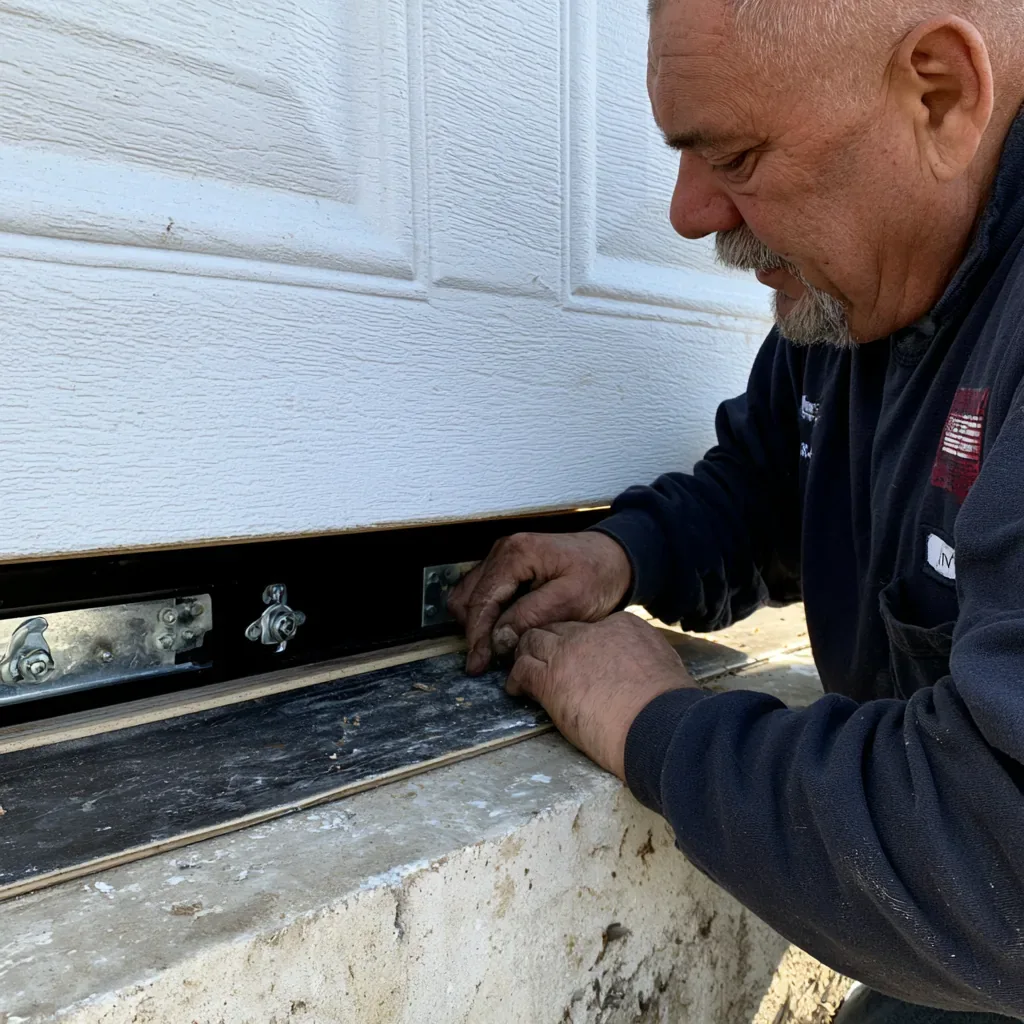
Tensioned Spring Hardware Has a Safe Boundary
Stamford reports that 82.4% of city land is zoned single-family, but zoning does not establish which properties have garages or what spring systems they use. The door’s parts, condition, and use—not a neighborhood label—determine the diagnosis.
A home near Mill River Park and one near Cove Island Park may have different garage layouts; the landmarks don’t predict a spring failure. In either part of Stamford, the first useful evidence is how the opener and door behave when opening is requested.
Requests involving residential spring work come from addresses throughout Stamford and across Western Connecticut. Tell the pros we connect you with the property’s city and ZIP so they can check whether that address falls within the relevant service area before discussing the job.
What to Share Before Booking
- Likely Cause
- The door stays down while the opener runs, putting a failed torsion or extension spring high on the diagnostic list.
- Cable Path
- A door that rises unevenly points toward unequal cable pull or a roller binding in its track.
- Opener Signal
- A silent opener shifts attention to the power supply, remote, wall control, or motor before the lift hardware.
- Travel Resistance
- A motor that hums briefly and stops may be meeting resistance from a jammed roller or lost spring support.
- Safe Next Step
- The pros we connect you with check springs and lift hardware first, then the opener, lock, and track.
- Lift Hardware
- Stamford’s seasonal snowfall describes regional conditions, not why a particular door fails. Cold or warm weather alone cannot identify a broken spring; the spring, cables, opener, and track need inspection.
- PAIR REPLACEMENT
- an estimated $229–$749
How Tracks Guide the Door
Garage Door Will Not Close. The two problems leave different clues: a closing fault begins after the door rises, while this one leaves it on the floor when opening is requested. A door that pauses partway through opening may have met resistance in its path. Here, the panels stay down when you ask them to open. That direction of travel separates the two complaints; a blinking sensor during closing does not explain a door that never rises.
Sizing Springs Against the Door's Load
The pros we connect you with begin at the torsion spring, then inspect extension springs if present, cables, drums, and brackets for damage or lost support. If those parts appear sound, they check opener power and drive, then look for an engaged lock, binding roller, or track obstruction.
Once they identify the fault, they secure the door before handling loaded hardware. They repair the failed lift part or clear the obstruction, then assess door balance and inspect related wear that could affect safe operation. The opener’s controls and safety systems are checked as part of returning the door to service.
After spring work, a one-time adjustment may finish the job when the opener’s travel limits and reversal checks work correctly. If settings keep drifting or moving hardware continues to wear, follow-up visits may help catch the pattern. Ask what specific finding makes another visit useful.
IMMEDIATE SPRING WORK COMPARED WITH PLANNED MAINTENANCE
| Risk Boundary |
Best-Fit Service |
|---|
| One repair need noticed at the outset | Spring repair visit |
| Door trouble resurfaces after service | Door balance check |
| Wear spread across linked lift components | Lift components renewed, door tuned |
Recognize Enclosed Spring Hardware
Check that the wall control has power, the remote battery works, and nothing visibly blocks the photo eyes. Read any opener display code without removing a cover. If the door is heavy, crooked, or made a sharp bang, stop there and leave the spring, cable, and bottom brackets alone.
Why the Opener Cannot Lift Alone
A door that stays shut can still be unstable if a spring or cable has failed. Keep children and pets clear; don’t touch a cable, bracket, or spring. The separate entrapment check is the photo-eye beam and opener auto-reverse: follow the opener maker’s test instructions. A beam that fails to register or a door that does not reverse needs professional attention.
How does the spring setup affect charges?
A door used throughout the day may need a different spring rating than one opened occasionally. Discuss its use with the pros we connect you with and compare $189–$459.Uneven movement or unusual noise can signal wear beyond the springs, so share those symptoms with the licensed pros we connect you with. It does not cover a new door, opener work, or other damaged hardware. If a cable or drum also needs attention, ask the pros we connect you with to list it separately and confirm the visit charge and complete scope.See the pricing guide for complete price bands; follow Emergency Spring Repair for the repair this job calls for.