Commercial Roll-Up Door Springs
Commercial Barrel Springs
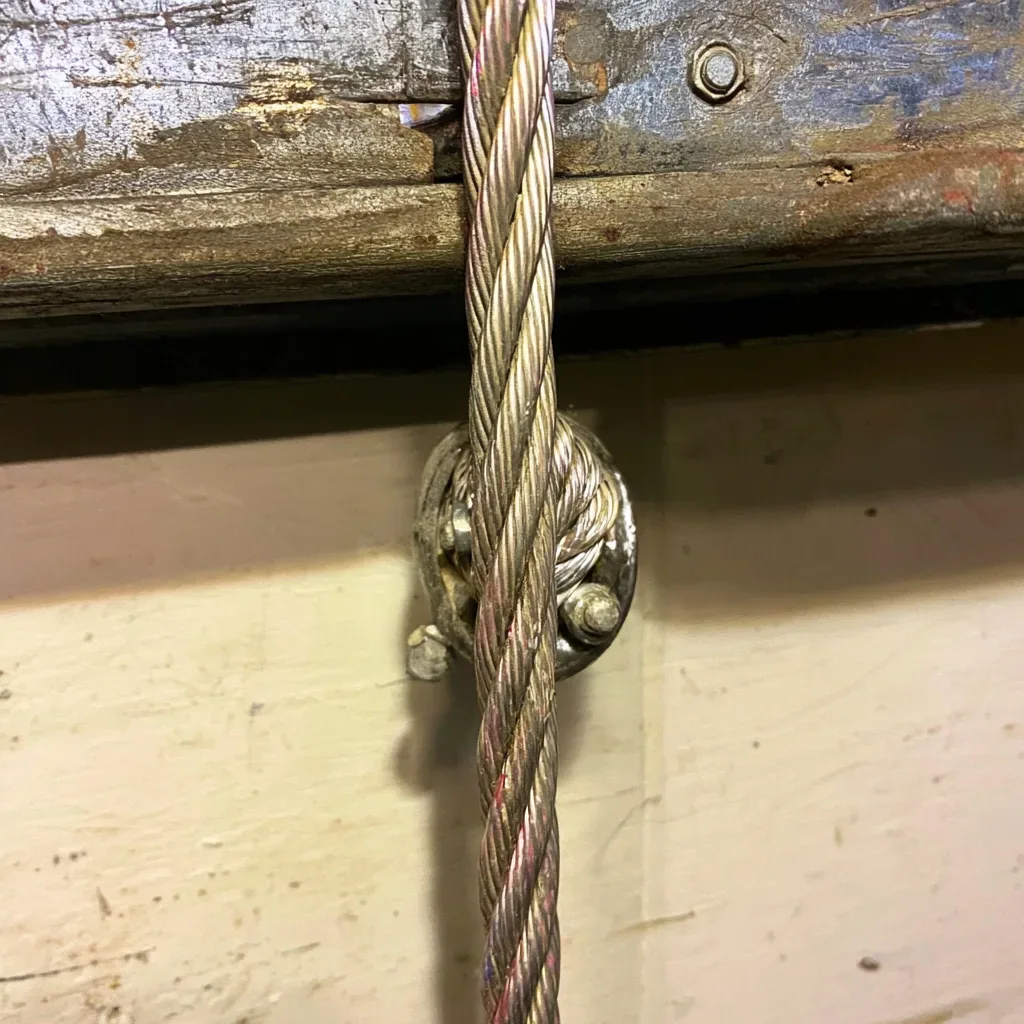
High-cycle spring scheduling for Stamford dock doors, with freight windows, impact findings, and records in view.
Maintain high-cycle loading bay springs by tracking door use, watching for changes in travel, and arranging inspections before wear interrupts work. Schedule service during a freight lull or off-shift, record spring details and impact findings, and keep the bay out of use until its operation is checked.
Keep the dock door out of service if it is crooked, jammed, or hanging on a cable; do not ask the opener to force it through. In Stamford, a sectional door on a busy loading bay can make repeated trips through its full travel during a shift, so its springs need a plan based on use and condition. High-cycle springs are built for heavier repetition than standard parts, but they still wear. A useful schedule connects observed use, impact reports, safe inspection, and a work window that protects freight flow.
Commercial spring repair cost depends on the door’s dimensions and spring setup, the condition of related door hardware, and whether a strike has bent or displaced parts. Work timing matters too: arranging an off-shift visit may take coordination with staff who can clear and secure the bay. For a Stamford facility, ask for the scope and timing to be explained before work is arranged. A clear plan lets you compare the practical cost of planned service with the disruption an unplanned closure could bring.
Treat each opening as its own operating record. Two dock doors at one Stamford building may look alike yet serve different shipping patterns, so a shared calendar can hide the busier door’s wear. Note which bay sees frequent traffic, when staff observe changes, and whether a truck or freight load has struck the door. Then ask the pros we connect you with to build a spring schedule around your shipping hours. That gives the rest of this page a clear focus: use, impact, downtime, and records.
A cycle means the door goes up and then comes fully back down. That measure is more useful than age alone when you are tracking a dock door that works repeatedly through a Stamford shift. High-cycle springs have ratings above standard builder-grade parts; ratings commonly start at 25,000 cycles, while standard torsion springs are often rated around 10,000. The rating is a planning reference, not a promise of a change date. Compare the expected duty with recorded use and arrange a review as the spring approaches its rated life.
Impact can change the door’s load path in a moment. A trailer or freight handling mishap may bend a panel, track, or hinge; the door can then bind and place extra strain on the springs. Stop using the opening if movement is uneven, the door catches, or a cable appears slack or damaged. Do not try to correct spring tension yourself. In Stamford, have the pros we connect you with assess the door after a strike before returning it to routine service; record what was hit and what staff observed.
| Use pattern | Spring rating | Work timing |
|---|---|---|
| Use history | Shift log for each dock door | Open and close counts by door |
| Spring specification | High-cycle rating matched to use | Part details retained in service file |
| Impact review | Note contact point and visible damage | Record door travel after inspection |
| Lease scope | Confirm who arranges door service | Keep approval with visit records |
| Insurance file | Check requested maintenance evidence | Save findings and replaced part details |
| Inspection notes | List open safety or operation concerns | Document the corrective work completed |
| Door identification | Stamford facility address and bay ID | Greenwich Avenue, Byram Park, or Greenwich Point Park are not bay IDs |
| Next service | Set a review date from use and condition | Book the next visit outside freight hours |
Loading bay door springs are the counterbalance parts that help a sectional dock door move under control. In a torsion setup, a coiled spring turns on a shaft above the opening; its stored twist helps carry the door as it travels. A rating describes expected cycles, not a number of calendar years. That distinction matters at a Stamford facility where use changes with shipping patterns. Ask which spring rating suits the door and its observed workload, then keep the rating beside the door’s service history.
After a truck or freight impact, keep people clear and leave the door stopped if it binds, sits out of square, or cannot stay in a controlled position. A spring may not be the only part affected: the impact can alter how panels, hinges, or cables move together. In Stamford, note the bay, time, visible damage, and any change in travel for the service record. A technician can use those details to judge whether the opening is safe to operate and what work belongs in the repair.
When one torsion spring is due for replacement, ask whether its partner should be changed at the same visit. The pair has shared the door’s operating history, and the older spring may have little useful life left after its mate fails. Replacing them together can avoid a second service interruption soon after the first. For a Stamford dock door, have the work record identify both springs and the reason for the decision. That helps the next person reviewing the bay understand what was fitted and when.
Downtime is measured in the work that has to wait. Before a spring visit, identify which shipments depend on that opening, whether another door can take the traffic, and what receiving activity must pause while the bay is secured. A Stamford manager can share those constraints when requesting a service window, so the pros we connect you with can plan around freight movement. If no alternate route is practical, place the work in a quieter period and tell affected staff when the door will be unavailable.
An after-hours appointment only works if the site is ready for it. Arrange access, name the person who can authorize the work, clear the area, and confirm when shipping is finished for the day. If the door serves an overnight operation, a weekend or another agreed lull may fit better. Stamford facilities should set the window against their own freight calendar rather than assume a quiet time. Before the visit, agree how the door will be left and who will confirm it can return to use.
Ask for a service record tied to the specific dock door. It should state the spring type and dimensions, cycle rating if available, work performed, and any related damage or condition that affected the decision. In Stamford, that detail gives a facilities manager something concrete to share with a supervisor, insurer, or inspector who asks what was done. Keep the record with the door’s history and the next planned review. If a permit question arises, confirm it with the local building official; no spring-only rule is established here.
A useful record also preserves the context behind the repair. Include the date, bay identifier, reported impact, observed door behavior, and whether the work was planned or urgent. Attach any follow-up recommendation so the next manager does not have to infer why a spring was changed. For a Stamford site, consistent records across bays make it easier to explain service history when a lease, insurer, or inspector asks about maintenance. The paperwork should describe work completed; do not treat it as a guarantee against later wear or damage.
Planned spring work is easier to place when you watch for changes before the door stops. A door that begins moving unevenly, catches partway, or strains through its travel deserves a prompt review; do not wait for a full failure to make a schedule. In Stamford, put observed changes beside cycle estimates and the shipping calendar, then select a period with less freight pressure. This gives you a practical basis for arranging a spring visit and reduces the chance that the repair window collides with an essential receiving run.
When you request a dock door spring schedule, share the opening’s location, typical shipping hours, known spring rating, recent use pattern, and any impact or movement changes. Ask how the proposed timing will limit interruption and what information the service record will include. Changes in door balance or movement can help identify which openings need closer attention. Stamford managers who keep this information together can make the next service conversation more direct, and leave with the question of when each bay should be reviewed again.
On a Stamford loading bay, the spring schedule should make the door’s duty visible to the people accountable for the building. Record the bay identifier, use pattern, spring cycle rating, inspection observations, and next review trigger; that gives a lease contact, insurer, or inspector a clear trail without promising that a record alone satisfies their requirements. Have service timed for a quiet freight window, and ask the technician to note impact marks from trucks or shifting loads. After-hours work can reduce downtime while preserving a useful before-and-after file.
To see how far garage door spring service extends through Western Connecticut, review the communities connected to this page and check your address, includingOld Greenwich, Stamford and Cos Cob. When arranging service, ask whether the appointment itself carries a fee and whether your address changes the amount.
The licensed pros we connect you with can inspect spring connections for wear that may be hard to spot by looking at the door alone. The amount reflects the scale of each opening, how many doors are included, and the interval between appointments; grouping more doors into a stop changes the work covered there.For commercial calls from Stamford, describe the door’s width and height, what it serves, and how often it runs. A broad loading door near Greenwich Avenue or the Byram River may need a different spring and drum setup than a small shop door; those heavier parts change the price.Compare complete guide bands in pricing guide; commercial overview explains how a scheduled commercial program is organized.
Commercial Barrel Springs
Storage Facility Service
Stop using the door and keep staff away from its path. A broken spring can leave the sectional door unsupported, and the opener is not built to carry its full weight. Tell the service provider which bay is affected and whether freight or a vehicle struck the door. In Stamford, pass along any recent change in travel or visible damage so the technician can assess the door before it returns to use.
Yes. Give the service provider your shipping schedule, the bay location, and any periods when freight activity pauses. Work can then be arranged for an off-shift window, with the affected opening kept out of operation until the repair and checks are complete. In Stamford, coordinate access with the person responsible for the building and let staff know which bay is unavailable, so a repair does not surprise the next shift.
Keep the service date, bay identifier, spring type and cycle rating, reported symptoms, and technician’s findings. Include any impact damage, work performed, and the door’s operating check afterward. That record gives your facilities team a useful history when a lease contact, insurer, or inspector asks what was found and changed. Store it with the building’s door records and note when the next review is due.
Yes. A truck or load can distort a door section or its travel path, making the door resist movement and placing extra strain on the springs. The coil may still look intact. Report where the impact happened and whether the door changed alignment or movement afterward; a technician should assess the door and its spring system before the bay goes back into routine use.
Ask the pros we connect you with for a Stamford dock door spring schedule built around shipping hours, with service findings recorded for your files.
Call +12036338162