Loading Bay Door Springs
Stamford Dock Doors
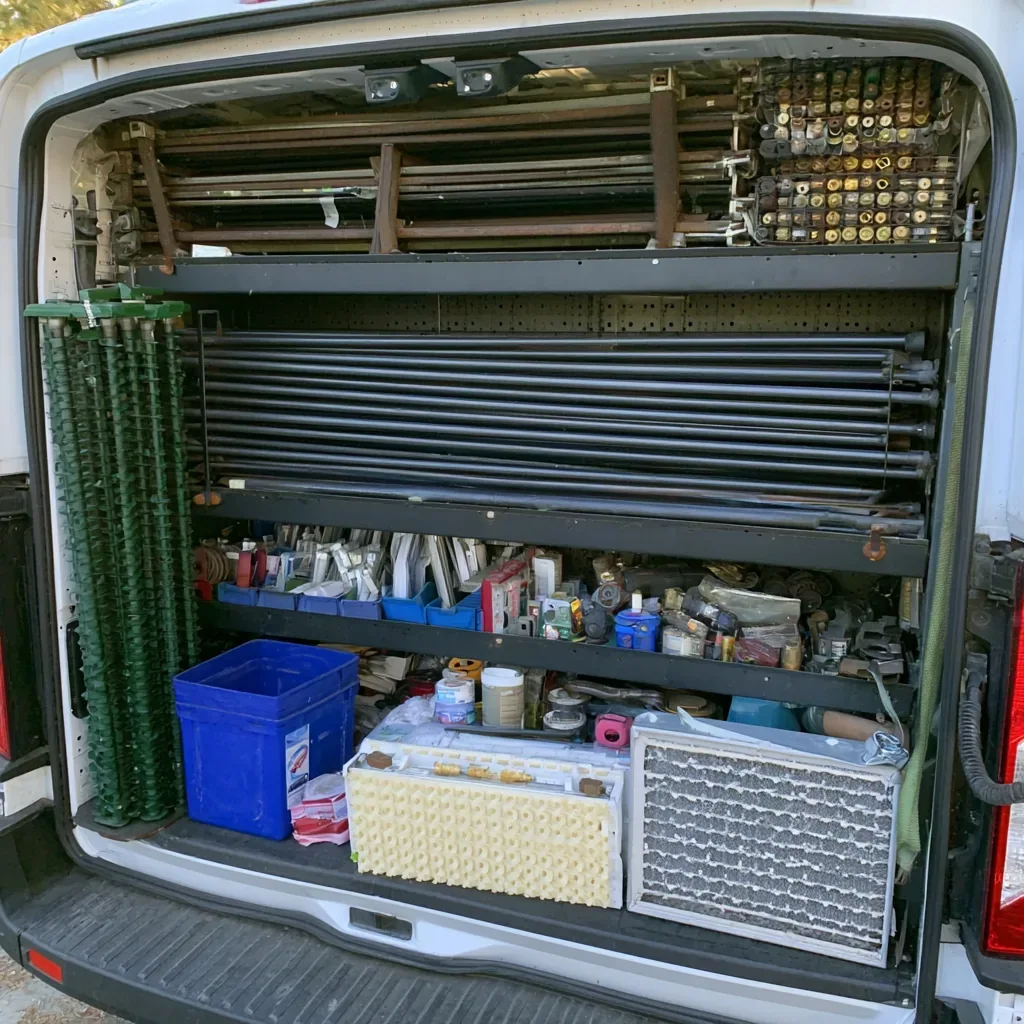
Planned roll-up unit door spring service in Stamford, with latch findings and work records organized for facility budgeting.
Roll-up unit door springs are serviced through a door-by-door assessment, followed by planned repairs grouped where practical. Record each unit’s spring and latch condition, parts fitted, and work completed so tenant-turnover wear is traceable and future budgeting is based on facility records.
Keep a roll-up unit door with a broken or uncertain spring out of service; don’t ask tenants or staff to test it by forcing the curtain. Across a Stamford self-storage facility, spring work is easier to plan when each door has an identity, a condition note, and a clear service history. Tenant turnover can bring repeated use to some units while others sit idle, so a row-wide visit should account for uneven wear. The paper trail is what helps the next visit start with facts instead of another round of guesswork.
A move-out followed by cleaning and a new move-in can put several hands on the same latch and curtain in a short stretch. In Stamford, track the unit number and the reported symptom together: a sticky latch may prompt extra pulls, while a door that feels heavy can lead people to tug harder. Those details help the pros we connect you with distinguish a single troublesome unit from a cluster seeing concentrated use. A complete opening and closing is one cycle, so usage patterns matter when discussing spring life.
The first useful facility record is a door-by-door inventory, not a guess about how every unit is built. For each Stamford row, note the unit identifier, door arrangement, visible spring assembly, latch type, and any known service date; mark unknown details as unknown. Keep the map tied to the building address, rather than relying on a shorthand such as “near Greenwich Avenue” or “by Byram River.” That way, a technician can match observations to the right opening and give you a scope you can review before work begins.
A spring and latch can produce overlapping complaints. If a Stamford unit door takes unusual effort to raise, the counterbalance may be tired; if it stops at the latch or needs repeated handling to catch, the latch may be worn or misaligned. Log what the person operating it actually noticed, including whether the curtain moved evenly and whether the latch engaged cleanly. Don’t have tenants keep trying it to gather more evidence. A precise report helps the service assessment separate parts that need attention from parts that only need observation.
When springs are specified, match them to the door and to its expected workload. A cycle rating describes how many complete open-and-close operations a spring is rated for, not a promised number of calendar years. A Stamford facility can use the assessment record to compare busy rows with lightly used ones and decide where higher-cycle hardware merits consideration. Ask that the recommendation name the rated part and the reason for it, so a later manager can tell whether the choice reflected observed use or simply copied an old order.
| Observed wear | Access impact | Recorded work |
|---|---|---|
| Lift strain | Curtain feels heavier during routine opening | Assess the spring and nearby units together |
| Latch drag | Key turn or bolt catches after turnover | Log latch condition beside spring findings |
| Older latch fit | Legacy keyway or bolt geometry differs | Record hardware details before sourcing parts |
| Repeated handling | Fasteners shift after rough unit changes | Include mountings in the turnover inspection |
| Uneven travel | Curtain skews or stops partway | Note shaft, cable, and drum condition |
| Usage history | Frequently opened doors see more operating cycles | Add use patterns when staff track them |
| Grouped access | Several nearby units need planned work | Coordinate access windows by row or building |
| Work record | Stamford site shorthand may say Riverside or Old Greenwich | Pair each location note with facility and unit IDs |
Batching work by row can reduce the number of separate access arrangements and interruptions. At a Stamford property, group doors with similar symptoms, then identify exceptions that need an individual inspection before the work window is set. Share the affected unit list with staff and plan how tenants will be notified or redirected while each opening is unavailable. The point is a controlled sequence: inspect, confirm scope, complete the agreed repairs, and record the result before moving on. That sequence makes downtime visible and easier to communicate.
A useful service log lets the next person see what happened without relying on a staff member’s memory. For every Stamford door assessed, record its row and unit, reported symptom, observed spring and latch condition, parts changed, and any follow-up recommendation. If a location is described using a nearby reference such as Glenville Historic District, keep that as a note only; the building address and unit identifier should anchor the entry. Consistent records reveal repeat complaints and help distinguish a recurring fault from a new issue on another door.
Those records also give facilities budgeting a firmer basis. In Stamford, group findings into work completed, work recommended, and doors to monitor, with each item tied to its unit number and a written scope. Separate an immediate repair from a planned batch so you can see which expense relates to current downtime and which can be scheduled later. A facility-wide assessment before tenant turnover gives you time to review the mapped wear, compare recommendations, and set a work window before access requests begin to stack up.
A sudden change deserves a note and a pause. If a Stamford curtain drops faster than staff expect, travels unevenly, or no longer stays in its usual position, keep the unit closed off from use and report the behavior. A spring issue can change how the door carries its weight; continued operation may add stress elsewhere in the assembly. Record what happened and when, without trying to inspect a loaded spring or remove hardware. That account gives the service professional a starting point and helps staff explain the interruption.
Turnover planning works best when it accounts for use as well as vacancies. Before a busy move-in period at a Stamford facility, review which unit doors had repeated latch complaints, uneven movement, or earlier spring work, then reserve access to those rows for assessment. A newly vacant unit can be convenient to service, but don’t assume every empty door is the one most in need of attention. Comparing observations across occupied and vacant units helps direct scheduled work toward documented wear while keeping the affected list clear.
Some older Stamford rows still have latch pieces selected for a former master-key arrangement. A replacement latch may fit the opening yet fail to meet the curtain in the right place, encouraging staff to pull or lift the door to make it catch. Note the part already present, how it engages, and whether prior replacements differ from neighboring units. The spring assessment should include that context, since a latch mismatch can complicate the symptom record even when the counterbalance also needs service.
Before a planned Stamford service window, gather unit numbers, prior work notes, latch concerns, and reports of difficult movement in one packet. Flag any mixed or older hardware so the proposed parts can be checked against the actual door before the visit. If an entry in a legacy log uses only a neighborhood reference, retain it as context while confirming the facility and unit. Clear records let staff prepare the right access list and give the pros we connect you with a useful picture of the work to review.
The cost of commercial spring repair depends on the assembly fitted to each roll-up door, the parts that show wear, how many units belong in the work scope, and whether latch changes are also needed. At a Stamford facility, a written assessment helps explain those differences door by door instead of hiding them inside one broad line item. Ask that the proposed work connect each part and labor task to a unit identifier. That makes the budget easier to compare with the service record when you plan the next maintenance window.
Schedule a facility-wide unit door spring assessment in Stamford before the next turnover period, and ask for a mapped list of findings, recommended work, and items to monitor. Before approving a batch, you should be able to ask: which doors are driving the scope, what latch and spring conditions were observed, and what record will staff receive afterward? The pros we connect you with can review those details with you so the visit is planned around documented wear and the facility can retain a usable history for future budgeting.
Keep a binding unit door out of use; forcing the curtain can add damage and complicate the repair. For a Stamford facility, the lasting value of a service visit is a record that connects each finding to its unit: spring condition, latch wear, parts installed, and work still needed. Tenant turnover can leave older master-key-era latches beside springs with very different wear. A technician’s notes make those separate issues visible, help you group similar work during a planned visit, and give budget reviews a useful history instead of a list of unexplained callbacks.
To see how far garage door spring service extends through Western Connecticut, review the communities connected to this page and check your address, includingRiverside, Old Greenwich and Stamford. If the property is beyond the usual route, ask whether it can be served and what fee applies to the trip.
Corrosion on a spring’s surface is another condition to note, since it can weaken the part that supports the door’s movement. The estimate varies with opening size, door count, and visit frequency; several differently sized entrances call for a different allowance than one standard opening.For commercial calls from Stamford, describe the door’s width and height, what it serves, and how often it runs. A broad loading door near Greenwich Avenue or the Byram River may need a different spring and drum setup than a small shop door; those heavier parts change the price.Compare complete guide bands in pricing guide; commercial overview explains how a scheduled commercial program is organized.
Stamford Dock Doors
Commercial Barrel Springs
Start with a unit-by-unit condition review, then note spring and latch findings against each door’s identifier. The pros we connect you with can group compatible repairs into a planned visit, while keeping each unit’s parts and work distinct in the service record. In Stamford, that paper trail helps you see what tenant turnover has worn and what remains serviceable before the next move-out changes access.
Yes. A facility visit can cover several unit doors, with each one assessed before similar work is grouped. A shared appointment can reduce repeated setup and help you plan access around move-outs, but the record should still show each unit’s condition, parts used, and completed work separately. That distinction makes later budgeting clearer and helps staff identify which door needs attention without reopening every service note.
Yes. A spring supplies lift assistance; the latch engages to hold the unit door closed. Tenant handling may wear or bend latch parts while the spring remains functional, or the spring may weaken while the latch still engages. Ask that both findings be recorded separately. On older master-key-era hardware, identifying the existing latch assembly before ordering a replacement can prevent a mismatch and another visit.
Stop using that unit door and keep people clear of it. Do not force the curtain or try to adjust spring hardware; stored tension can cause serious injury. Mark the unit unavailable and arrange professional assessment. In Stamford, give the pros we connect you with the unit identifier and what happened, so the door can be matched to its service record and handled with the right parts.
Schedule a Stamford facility-wide unit door spring assessment and map spring, latch, and recordkeeping needs before upcoming unit turnover.
Call +12036338162