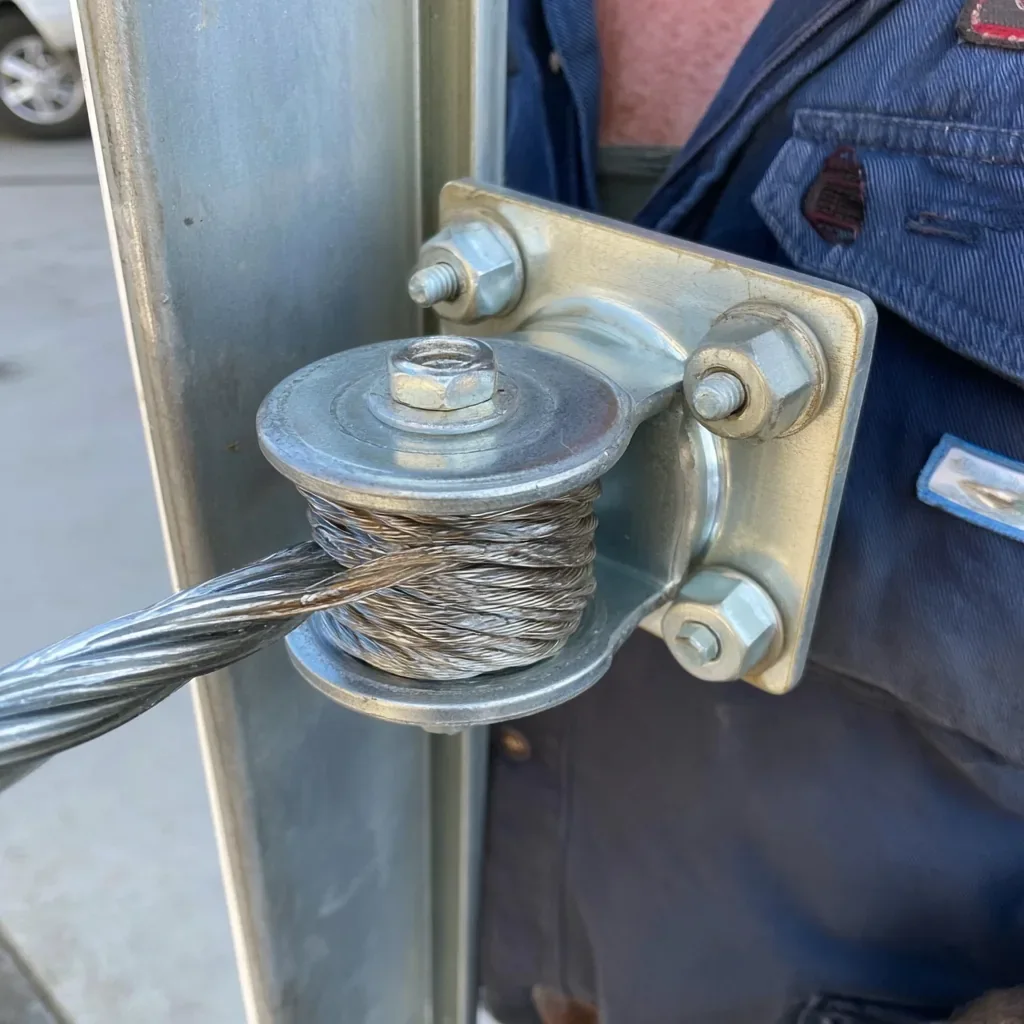
Torsion and Extension Store Energy Differently
A door that leans to one side during travel may point to uneven cable tension or a track issue. A short rise followed by a stall is a reason to check balance, wherever the home sits.
Stamford’s residential area includes homes near Long Island Sound, but shoreline location alone does not identify a spring fault. On arrival, the pro looks at cable seating on the drums and how the door moves through its track.
Homeowners in Stamford and elsewhere in Western Connecticut may seek help with a garage door spring. Share the full address when asking about service; it gives the pros we connect you with a clear starting point for checking that specific location.
When Door Movement Changes
- First movement
- The door begins to rise, then stalls or returns as spring lift fails to counter its weight.
- Balance check
- A properly balanced door should stay at waist height during a pro’s manual assessment; drifting down signals inadequate lift.
- Coil break
- The spring counterbalances the door as it moves through its travel. Keep away from the shaft and cable hardware.
- Lock bar
- A seated lock bar can block movement; a crooked roller or scraping points toward a track problem.
- Track bind
- Repeated opener attempts against a heavy door add strain to the motor and lift hardware.
- Lift Hardware
- Temperature shifts can change how metal behaves, while grit in the track can add resistance. Neither tells you on its own why the door stalls. Note whether the movement changes, then have a pro check spring balance and the door’s path.
- PAIR REPLACEMENT
- an estimated $189–$459
Spring Systems Hidden in a Tube
Locked manual handle — its bar can catch the door and imitate a failed spring. The lock blocks travel mechanically; a weak spring instead leaves the door poorly balanced and heavy to lift. Look at the interior handle and lock bar from outside the door’s travel path. When engaged, the bar reaches into its receiver; when released, it sits clear. Do not reach toward the track or rollers to check it.
Restoring Neutral Balance Across Door Travel
The pros we connect you with first secure the door and assess its path. They inspect the spring and its attachment points, then check the cables, drums, rollers, and track for a bind or visible damage. A balance assessment helps distinguish lost spring lift from a lock or obstruction.
If the spring has lost torque, they check related lift hardware for wear and assess the door’s balance after the needed work. Delaying while repeatedly running the opener can add motor strain and put more stress on cables, turning a spring diagnosis into a broader repair.
After spring work, a one-time adjustment may finish the job when the opener’s travel limits and reversal checks work correctly. If settings keep drifting or moving hardware continues to wear, follow-up visits may help catch the pattern. Ask what specific finding makes another visit useful.
SPRING REPAIR VISITS BESIDE RECURRING PREVENTIVE CARE
| Wear Factors |
Repair Recommendation |
|---|
| A lone fault caught while repair stays focused | Lift hardware work |
| Repair relief proves short-lived | Track alignment |
| Accumulated wear in connected lifting hardware | Spring change, balance verified |
Spot a Broken Coil From Afar
From outside the door’s path, check whether the manual lock is engaged and whether anything blocks the track. Note any opener light or displayed code, and replace a remote battery if needed. Look for a visible gap in the spring or slack in a cable without moving the door.
Keep the Doorway Clear During a Failure
Keep people clear of a door that stalls or drops; it may fall without warning. Photo eyes and auto-reverse are safety systems, not support for a heavy door. Keep the sensor lenses unobstructed, and stop using the door if it fails to reverse when an obstruction is detected. Have a pro assess the spring and balance before normal use resumes.
How does the spring setup affect charges?
A door used throughout the day may need a different spring rating than one opened occasionally. Discuss its use with the pros we connect you with and compare $189–$459.Uneven movement or unusual noise can signal wear beyond the springs, so share those symptoms with the licensed pros we connect you with. It does not cover a new door, opener work, or other damaged hardware. If a cable or drum also needs attention, ask the pros we connect you with to list it separately and confirm the visit charge and complete scope.The pricing guide lays out every price band, with the factors behind each one.