Loading Bay Door Springs
Stamford Dock Doors
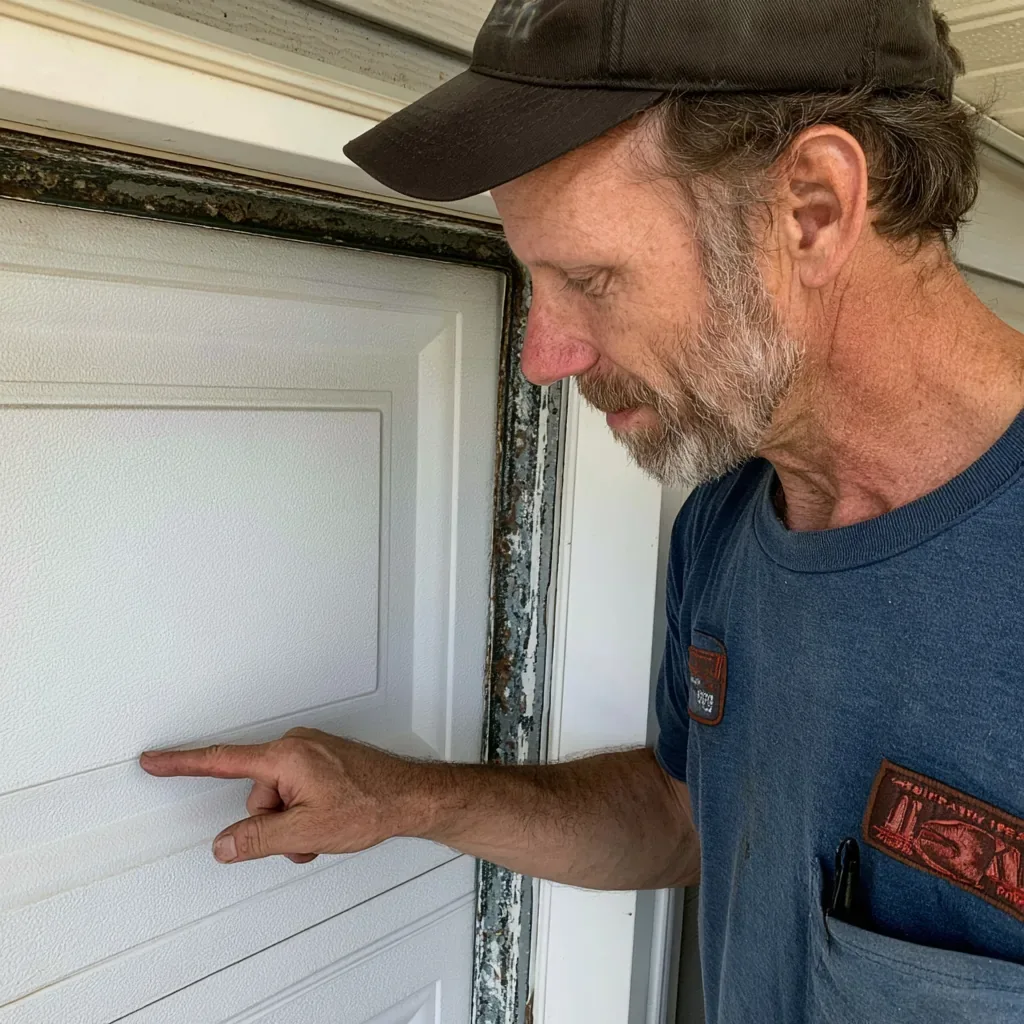
Plan shared garage spring work around resident access, phased repairs, and service records in Stamford.
Keep residents moving by isolating one work area at a time when the layout permits, preserving an alternate route, and telling residents which opening to use. A designated building contact coordinates access and records each completed door and its service details.
A shared garage cannot simply go dark when a spring fails. In Stamford, first keep people clear of a door that hangs crooked, feels unusually heavy, or will not stay in place; do not ask residents or building staff to move it by hand. A torsion spring stores dangerous force, and only a spring pro should handle loaded hardware. The work plan should identify the affected opening, preserve a usable route where possible, and tell residents which entrance is temporarily unavailable.
Apartment and HOA garage spring repair means restoring the counterbalance on a door serving several households or a shared parking structure. In Stamford, a spring problem can disrupt a whole traffic pattern: cars arrive for work, deliveries need a clear path, and another door may carry more use while one is closed. Tell the pro what stopped working, whether the door is open or shut, and which access routes residents rely on. That context helps shape the repair sequence around the building.
Before a visit, make a simple opening list for the Stamford property: door identifiers, current symptoms, and any route constraints. The places residents use to orient themselves, such as Mill River Park or Cove Island Park, can help you describe the part of town, but the building address and door labels are what guide the work. Share who can release each opening and who will receive the completion notes. Clear records make it easier to connect a later service call to the right door.
A spring wears with use, not just with time on a calendar. One cycle is a complete opening followed by a closing, so a Stamford garage with repeated resident trips, cleaners, and deliveries can accumulate cycles quickly. Ask the pro to consider how each door is actually used when recommending replacement hardware. Cycle ratings describe expected use before fatigue; they do not promise a particular service life, since traffic patterns and the condition of related parts also matter.
Not every entrance in a Stamford parking structure works equally hard. A door serving the main resident ramp may move steadily through the day, while another opening sees occasional deliveries. Keep those histories separate when planning maintenance. If a spring breaks, a matched pair is generally changed together because both springs have shared the same operating load. Ask that the work record identify the opening and the spring rating selected, so the next manager can understand why that hardware was specified.
| Planning Detail | Shared Garage | Single Opening |
|---|---|---|
| Work zone | Close one bay while its spring is serviced | Riverside layout: isolate the affected opening |
| Door traffic | Select springs for the door’s operating demand | Track frequent use when planning replacement |
| Resident route | Keep a usable entrance available where possible | Greenwich Avenue layout: post a route around work |
| Repair order | Complete and check one section before moving on | Group doors by access needs and location |
| Work approval | Name the contact who can confirm the scope | Get the authorized contact’s direction before starting |
| Safe boundary | Keep residents out of the active work area | Mark the closed bay and redirect foot traffic |
| Service notes | Record the door, date, and parts installed | Old Greenwich log: note the work and follow-up |
| Future planning | Use prior service history to plan later visits | Compare door use before setting the next work window |
Access planning starts with the door, the traffic flow, and the person who can authorize a specific work order. For a Stamford building, decide in advance which entrance can be isolated, what alternate route residents can use, and who can approve added work if inspection finds related damage. This is an operating plan, not a ruling on HOA responsibility. Give residents clear directions before the affected bay is blocked, and keep the alternate route visible and free of stored items.
When several openings need attention, phased repairs can keep part of a Stamford garage available while the pro works through the rest. Group doors by location and shared traffic routes, then close only the work area being serviced. The sequence may change if inspection finds a door that cannot safely remain in use. Let residents know which entrance is next, where to enter meanwhile, and when the route will change back. A clear handoff between phases avoids sending traffic toward a newly closed bay.
Set the authorization path before the appointment: identify the property contact, the person who can release each door, and the approver for any scope change. At a Stamford multi-unit property, that keeps a technician from waiting while messages travel between a manager and board contact. Ask for the proposed work to be described in writing, then make sure the person approving it understands which openings will be unavailable. This keeps access decisions and repair decisions tied to the same door list.
A useful building record tells the next person what changed at each Stamford opening. Have the completion note name the door, reported symptom, inspection findings, parts installed, spring cycle rating, and service date. The lift cables wind around drums at the ends of the shaft and carry the door's weight through the spring system; their condition matters to the repair. Record any related wear found during the visit, even if it was not part of the approved work.
Keep service notes with the building's door list, not only in an individual manager's inbox. In Stamford, staff turnover or a new vendor can otherwise leave no clear answer about what spring was fitted or which opening had a recurring issue. Include the pro's observations about cables, drums, rollers, and hinges, plus any item marked for follow-up. The note should distinguish completed work from recommendations still awaiting approval, so nobody mistakes an inspection comment for a repair already made.
If a Stamford garage door is crooked, unusually heavy, or stuck partway, stop using that opening and keep residents away from it. Do not pull the emergency release and try to lift the door, and do not loosen the bottom brackets; those parts can be under strong cable tension. A broken spring leaves the opener trying to move the door's full weight, which can damage an opener designed to guide a balanced door. Route traffic to a safe alternate entrance until a pro assesses it.
When work is complete, compare the service note with the approved scope for the Stamford property. Confirm that it identifies the correct opening, says which spring or related parts were replaced, and records any remaining concern. Ask the pro to explain what was tested before the door returned to service and whether an item needs a separate decision. That closes the loop for residents and gives whoever manages the next service call a reliable starting point instead of a vague note that says only that a repair was done.
To request commercial spring repair in Stamford, describe the building, the number of doors, how resident and delivery traffic uses them, and which openings show trouble. Say whether any door is stuck open or closed and what alternate access is available. Mention who can authorize the work and who should receive the service record. If the property is oriented toward Mill River Park, Cove Island Park, or Long Island Sound, those local references can help with general location; provide the street address for dispatch details.
The pros we connect you with are independent local spring pros, not building staff for your Stamford property. Give them the door list, access plan, symptoms, and approval contact so they can understand the job before work begins. For a multi-unit garage, the useful outcome is a safe repair sequence, clear resident routing, and a record of what was installed at each opening. What doors need attention, how does the garage flow through a typical day, and who can sign off on the scope?
Commercial spring repair cost in Stamford depends on the door, its spring capacity, related wear, and how work can be staged while the garage stays usable. A spring matched to frequent daily operation may differ from one on a lightly used opening. The scope should say which doors are affected, what parts will be replaced, and what checks follow. For a building near Mill River Park, clear door identification helps managers compare proposals and keep each completed phase in the maintenance record.
For residential garage door spring work, the linked communities show where the service area reaches across Western Connecticut; check the list for your location, includingNew Canaan, Stamford and Cos Cob. If the property is beyond the usual route, ask whether it can be served and what fee applies to the trip.
A new squeak or strained sound during a door cycle is worth noting when planning commercial spring upkeep. The quote depends on opening dimensions, the number of doors included, access around equipment, and how often service is arranged; a larger set of openings or tighter scheduling changes the scope of each stop.For commercial calls from Stamford, describe the door’s width and height, what it serves, and how often it runs. A broad loading door near Greenwich Avenue or the Byram River may need a different spring and drum setup than a small shop door; those heavier parts change the price.Compare complete guide bands in pricing guide; commercial overview explains how a scheduled commercial program is organized.
Stamford Dock Doors
Storage Facility Service
Commercial Barrel Springs
Often, yes, if the layout allows the work to be isolated. The pro and building contact can choose a door sequence, close only the active area, and keep an alternate entrance or route available where the structure permits. Residents need clear notice about which opening is unavailable and where to go. In a Stamford parking structure, the plan should account for actual traffic flow, not just the number of doors.
The property manager or designated building representative can send the request, identify the affected opening, and name the person authorized to confirm the work scope. Give the pro a door location and an access plan so the visit can be organized around shared use. For Stamford buildings, keep the approval contact in the work order so questions about the agreed scope reach the right person.
Frequent operation uses up a spring’s cycle capacity faster: a cycle is one complete trip open and closed. Compare observed door use with the spring’s rated cycles, then set follow-up checks from that record and the door’s condition. A busy multi-unit entrance may need a closer maintenance interval than a lightly used bay. Stamford managers can ask the pro to note the rating and recommended review point after service.
Keep a separate service entry for each opening. Record its building location, service date, work completed, parts fitted, and balance or safety checks, then attach the work order and any follow-up note. Clear records help a later vendor see what changed without confusing one bay with another. In Stamford, a door-by-door file also gives the manager a useful account of completed phases and remaining recommendations.
Share your Stamford building’s door count, traffic pattern, and sign-off contact to get connected with an independent local spring pro.
Call +12036338162